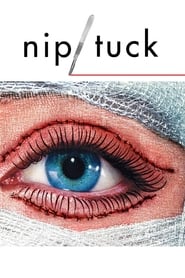
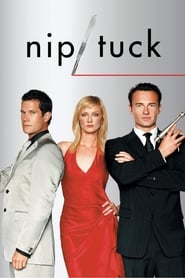
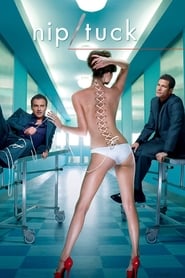
Nip/Tuck arrived in 2003 with a sharp edge that set it apart from most network dramas of the era. Produced by Ryan Murphy Television alongside Warner Bros. Television in the United States of America, the series follows two Miami plastic surgeons whose scalpel work mirrors the fractures in their own lives. Cases range from routine enhancements to nightmarish reconstructions, each one exposing vanity, trauma, and the quiet desperation behind a perfect face.
Some episodes move at a deliberate pace, letting tension build through quiet conversations in the operating room. Others rush forward with sudden revelations that flip everything on its head. The show never treats surgery as simple spectacle; instead it uses each procedure to peel back layers of identity and regret. Ryan Murphy's influence shows in the willingness to linger on uncomfortable truths about beauty standards and personal failure.
Over six seasons the tone shifts from glossy to increasingly dark, yet the core remains consistent: people chasing change on the outside while their insides stay messy. That mix of medical detail and emotional rawness gave Nip/Tuck a lasting pull, even when storylines veered into excess.
*If our moderation approves your version, it will be replaced and you will be credited as the text author.