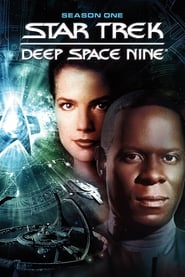
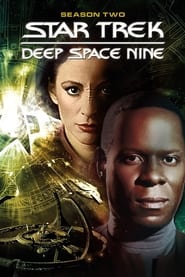
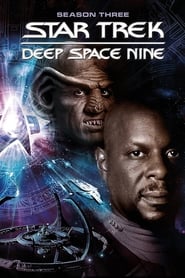
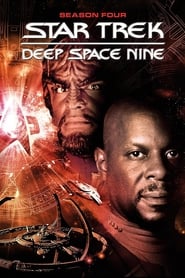
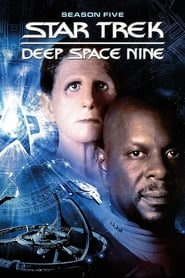
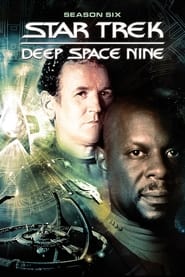
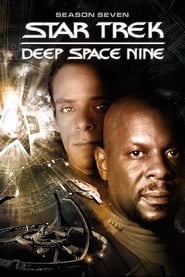
Star Trek: Deep Space Nine arrived in 1993 and changed everything fans thought they knew about the franchise. Right from the start, this series felt heavier, more grounded. Produced by Paramount Television in the United States of America, it later carried the CBS Studios banner too. Instead of a starship racing through the stars, the story locks onto a battered space station parked beside a stable wormhole. That single choice opens the door to long-running arcs about faith, occupation, and the cost of war.
Commander Benjamin Sisko isn't your typical clean-cut hero. He grieves, he rages, he doubts. The supporting cast - Kira, Odo, Quark, Dax - all carry scars and secrets that unfold slowly across seven seasons. Viewers who stick with Star Trek: Deep Space Nine discover political intrigue that still feels sharp today. The Dominion War arc, especially, hits harder than most big-screen blockbusters.
What makes the show linger is its willingness to sit with moral gray areas. Good people make terrible choices. Villains sometimes have a point. Paramount Television gave the writers room to take those risks, and the result still sparks debates among fans in the United States of America and far beyond. Episodes like "In the Pale Moonlight" or "The Visitor" refuse to offer easy comfort. They just leave you thinking.
Even the lighter Ferengi stories carry surprising heart. You end up rooting for characters you never expected to like. Production design holds up remarkably well; the station feels lived-in, almost claustrophobic at times. CBS Studios has kept the series accessible, so new audiences keep finding it. Once they do, many claim Star Trek: Deep Space Nine from 1993 as their personal favorite. It rewards patience and rewatches like few other shows. The mixture of serialized storytelling and standalone hours still feels fresh. If you want Trek that digs deeper than warp-speed adventures, this is the one that delivers.